- Milton Keynes 01908 660966
- Northampton 01604 828282



Buying a home is one of the most significant financial decisions you’ll ever make, and it can be a complex process. One of the most common questions we get asked by clients is: How long does it take to buy a home? While the timeline can vary, several key factors influence how long it will take from making an offer to finally securing the keys to your new property. In this blog, we’ll explore the typical timeline for buying a home and the variables that can affect the process.
Average Timeline for Buying a Home
In the UK, the process of buying a home typically takes between 8 to 12 weeks, but it can sometimes stretch beyond that. Some buyers may complete the process in as little as 6 weeks, while others could take 16 weeks or more. The length of time it takes will largely depend on the specifics of the transaction and any potential complications that arise.
Key Variables Affecting the Time It Takes to Buy a Home
Several factors can influence how long it takes to complete the purchase of a property. Here’s an overview of the main variables:
1. The Property Type and Chain
The length of the property chain is one of the most significant factors that can impact the speed of your home purchase. A property chain refers to the sequence of transactions that are linked together. For example, if you’re buying a home from someone who is also in the process of buying another property, this creates a chain of transactions that must all be completed before any party can move forward.
• No chain: If you’re purchasing a property with no chain (for example, from a seller who is not buying another property), this can speed up the process considerably.
• Longer chains: A longer chain typically results in a longer wait, as everyone in the chain must complete their transaction before anyone can move.
This can add significant delays, especially if there are complications or issues in any part of the chain.
The property type can also impact the speed of your home purchase. For example, if a property is Leasehold, there will be a Freeholder and usually a managing agent who will need to provide information in relation to the purchase. This could add additional time onto the transaction.
2. Mortgage Approval and Financing
The time it takes to secure a mortgage approval can vary depending on your financial situation, the lender, and the type of mortgage you’re applying for.
• Mortgage application: Once you’ve made an offer on a property, the next step is to apply for a mortgage. This process typically takes between 3 and 6 weeks, though it can take longer if there are complications with your application, such as issues with your credit history or income verification.
• Survey and valuation: As part of your mortgage application, the lender will often require a survey and property valuation. This can take a week or two to arrange and process.
3. Legal and Conveyancing Process
The legal side of buying a home is handled by solicitors or conveyancers, and the speed of this process can be influenced by several factors:
• Title searches and contract review: Once your offer is accepted, your solicitor will conduct a series of checks on the property, including title searches and a review of the seller’s contract. If there are any issues or complications with the title (such as unresolved disputes or unclear ownership), this could delay the process.
• Exchange of contracts: After all the necessary checks are completed, your solicitor will draw up the contract for you and the seller to exchange. The exchange of contracts is a significant milestone, and delays can happen if either party is slow to respond or there are issues with the documentation.
• Completion: The final step is the completion of the sale, which generally happens a few weeks after the exchange of contracts. Completion is when you officially become the owner of the property.
4. Surveys and Inspections
Surveys are an important part of the process of buying a home, but they can take time. While some buyers opt for basic valuations, others may choose more comprehensive surveys (such as a Home Buyer’s Report or Building Survey) to check the structural integrity and condition of the property.
• Survey scheduling: Surveyors may have a backlog, especially in busy periods, which can delay the inspection.
• Repairs and renegotiations: If the survey reveals any issues with the property, this could lead to renegotiations over the price or repairs to be made before completion, which could further extend the timeline.
5. Delays Due to External Factors
Sometimes, external factors can introduce delays into the process, including:
• Planning permissions or legal disputes: If the property you are purchasing has unresolved planning permission issues or is involved in any legal disputes, this can slow things down considerably.
• Market conditions: The housing market’s current state can also play a role. During periods of high demand (e.g., summer months), it may be harder to get timely surveys or valuations, and solicitors and mortgage lenders can become overwhelmed with cases.
• Bank holidays and staff availability: The availability of solicitors, surveyors, and even mortgage lenders can be affected by holidays or staffing issues, leading to delays.
Reducing Delays and Streamlining the Process
While some delays are unavoidable, there are ways to expedite the process of buying a home:
• Be prepared financially: Ensure your mortgage approval and financing are sorted well before you make an offer and be ready to proceed quickly.
• Choose your conveyancer carefully: Select an experienced solicitor or conveyancer who can manage the process efficiently and avoid unnecessary delays.
• Get your surveys and inspections done early: Arrange for any necessary surveys as soon as possible to avoid unnecessary waiting time.
• Be proactive: Stay in regular contact with all parties involved (e.g., your solicitor, mortgage lender, and estate agent) to ensure everything is progressing smoothly.
Managing expectations
While the average time it takes to buy a home in the UK is between 8 to 12 weeks, the actual length of time can vary based on a variety of factors. From the length of the property chain to mortgage approval and the legal aspects of the transaction, each step can influence how quickly or slowly things move forward. By understanding the process and being proactive, you can help minimise delays and move into your new home sooner.
You can contact our Conveyancing team here or call on 01604 936512 / 01908 953674 or email info@franklins-sols.co.uk.
 There are advantages and disadvantages when it comes to deciding between buying a new build or existing property. You will need to weigh up what factors are most important to you from your list of “must-have” features and which type of property ticks the most boxes for you.
To help you in making your decision, we have put together some pros and cons for you for both new build properties and existing “second-hand” properties.
New Build Properties – Pros
- Incentives – Some Developers will offer “extras” to secure a sale. Incentives are split between financial incentives and non-financial incentives. Financial Incentives could include stamp duty paid, a contribution towards legal fees or even estate agents fees paid if you have a related sale. Non-financial incentives could include carpets and flooring provided, or your kitchen white goods being provided at no extra cost, or even an upgrade to the standard kitchen or bathroom suite installed. The different incentive packages that a Developer is able to offer are often broad.
- Warranties – a new homes warranty will be available on most new build properties, which you don’t always get with a second hand property. New home warranties are designed to offer peace of mind that any defects will be put right and typically last 10 years.
- No chain – You won’t have a chain of buyers above you, which can often take away one of the biggest stresses of buying a home.
- Blank Canvas – a newly built property is a blank canvas with fresh paintwork, tiling, kitchen and bathroom. There should be little that you need to do before you can unpack and enjoy your new home.
- Design you own home – where you buy a property “off-plan” you will be able to pick the Plot that you wish to purchase based upon the design and specification of the property and may also be able to choose kitchen and bathroom layout and pick the fittings from a range of options.
- Low bills – all new builds have to comply with the latest building regulation standards, meaning that they are often more energy efficient than older properties.
- Modern living – Many new builds are built to a high specification which will include the latest technology.
New Build Properties – Cons
- Delays – not everything runs smoothly on a new build property and there can be delays outside of everyone’s control which can cause added stress, increase costs and also prove to be inconvenient where you are trying to plan your move around work, schooling and holidays.
- Snagging – there is often bad publicity in regards to poor quality new build homes. Even with the best developer you should expect some minor snags, for example, doors may get caught on the carpet, tiles may be loose, paint finish needs a second coat, etc. Once the Property is fully built you should be invited to attend a walk around of the property to identify any snagging issues for the Developer to rectify.
- Space – new build properties can often be less spacious than an older property due to the number of properties built on the site. This can often affect storage space within a property, so ensure that your furniture will fit and that you can get your car into the garage/on the driveway.
Second Hand Properties – Pros
- Character – there are plenty of older properties with features such as open fires, stained glass windows, exposed beams, sash windows which all add character to a property. These features often make us fall in love with a new property on an initial viewing.
- What you see is what you get – when you buy a new build property off plan it is often very hard to visualise what the property will look like and how it will feel to live in, but with an existing property you will be able to physically walk around and view the Property and see everything that you will be getting. A surveyor will also be able to attend to carry out a full inspection which will tell you everything you need to know about what you are buying.
- Community – an existing property may be in the heart of an established community, with pubs and restaurants close by and neighbours who have lived in the area for many years who will be able to give you historic background to the local area.
- Space – older properties are generally more spacious with bigger gardens.
- Potential for Alterations – whilst an existing home may not be “perfect” and may need some modernisation and alterations, you have some potential to put your own stamp on it and the ability to increase the value of the Property.
Second Hand Properties – Cons
- Chains – when you buy a second hand property it is likely that the current owner will also be looking to move to a new house, which will create a chain. Where you have a chain the wants and needs of all parties will need to be considered and the more parties involved the longer it can take for everyone to agree on timescales, which can make the move more stressful.
- Energy Efficiency – older properties are less likely to be as energy efficient as newly built properties. This could mean that your energy bills are higher with an older property.
- Maintenance costs – unlike a new build property you can expect an older property to need maintenance. Sometimes maintenance works will be required as soon as you move in.
- Renovations – you may want to carry out renovations and redecorate as soon as you move in, so you will need to budget for these extra costs.
The decision to buy a new build against an existing “second-hand” property will ultimately come down to personal preference. There is no right or wrong choice. Make sure you have all of the information you need before you exchange contracts and that you are buying the home that gives you what you need.
For advice in purchasing a new home, for new builds call our New Homes Teams on 01604 828219 and ask for Kris Raca or email newhomes@franklins-sols.co.uk or for second hand properties, contact our Conveyancing Teams on 01604 828282 / 01908 660966 or email conveyancing@franklins-sols.co.uk.
The Land Registry is the platform responsible for the registration of title to land in England and Wales. The Land Registry hold information on registered properties in relation to the ownership of the land and any registered rights of way, covenants, leases and title extent.
After a house purchase is completed, the Buyers’ Solicitor send the application to the Land Registry to update the deed to reflect the new owner’s name. The Land Registry website is a public platform that stores the electronic deeds. Of course, there was a time when this platform did not exist and so all deeds were in paper format. The deeds were often held by mortgage lenders with an open account. It then became compulsory to register properties at the Land Registry, but this was only triggered when a transfer of value initiated this. If a property has not been transferred for value since this date, it is possible that the property is “unregistered” meaning that the deeds are still in the paper format.
This slightly changes the conveyancing process as we do it today, we usually download the deeds from the Land Registry which means that we can often check who the registered owner of the property is almost instantly. If the Land Registry hold no records, then we require the Seller of the property to be able to find the original deeds. It is common for several different deeds to be needed to make up the full original deeds.
There are two ways this can be approached by conveyancers, the first would be to issue an unregistered contract to the Buyers’ Solicitors. This just means that the format of the Contract itself and the accompanying documents slightly vary. The rest of the process shouldn’t change much, the questions being raised by the Buyers’ Solicitor will make reference to it being an unregistered contract and the Buyers’ Solicitors will need to submit for first registration at the Land Registry following completion.
The other option is to register the property before issuing the contract so that the rest of the process is the same as normal. The Sellers’ Solicitors would still require the original deeds to be able to do this and would have to wait for the Land Registry to register the property before starting the transaction. Due to there being an ongoing sale, the Sellers’ Solicitors can them apply to expedite the registration so that it does not cause too much delay in the process.
Once the house purchase has completed, the application is made to the Land Registry to update the register with the new owners details.
For further advice and assistance please contact our Residential Property team on 01604 828282 / 01908 660966 or email info@franklins-sols.co.uk
Following the opening of our Central Milton Keynes office in 1983 Franklins Solicitors LLP were directly involved with the new concept of Shared Ownership and as a result are experienced in dealing with both New Build and Re-Sale Shared Ownership purchases and sales as well as staircasing (explained below).
Shared Ownership is sometimes referred to as “part-rent part-buy”.
You effectively purchase a share of the property and pay rent on the rest. Generally, the share purchased is between 25% and 75% but in some circumstances it can be as low as 10%.
Under the Scheme a buyer only pays a mortgage on their share of the property. The remaining portion belongs to the Housing Association, and you would pay rent on that part.
After purchasing a Shared Ownership property, you may have the option to increase the percentage you own (this is known as staircasing) which would in turn reduce the rent payable to the Housing Association for the shares then owned as opposed to rented. Most Leases also allow you to staircase all of the remaining shares owned by the Housing Association so that you would then own the property outright.
Shared Ownership is not limited to first time buyers.
There is detailed criteria for being eligible for a Shared Ownership property and the same does vary between Housing Associations
Franklins have lawyers who are specialised in dealing with both New Build and Shared Ownership properties and would be delighted to offer their expertise to you.
For further advice and assistance please contact our Residential Property team on 01604 828282 / 01908 660966 or email info@franklins-sols.co.uk
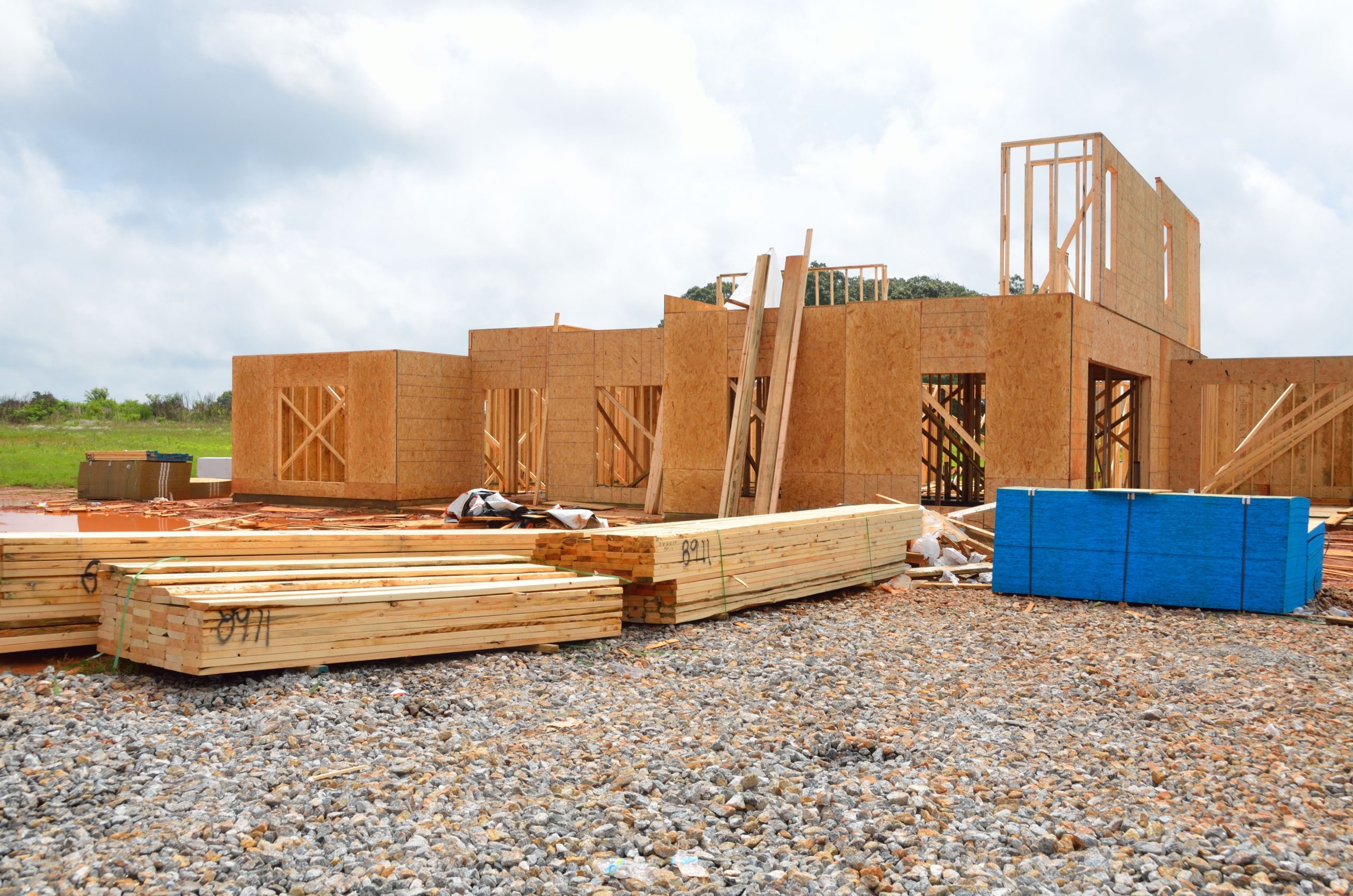 A New Homes Warranty is designed to protect homeowners of newly built, converted or refurbished properties from structural defect in the first 10 years.
If the property has been built or converted within the past ten years, or is to be occupied for the first time, you must ensure that it was built or converted under a scheme acceptable to your mortgage lender.
What is a building warranty?
A building warranty is an insurance policy for newly built homes. The warranty is taken out by the builder or developer but is in place to protect the buyer.
Who provides new build home warranties?
The three main providers of new home warranties – the National House-Building Council (NHBC), Local Authority Building Control Warranty (LABC) and Premier Guarantee although there are many more. These operate under the Consumer Code for Home Builders.
There are also warranty providers operating under different codes of conduct
How long do warranties last?
Building warranties usually last for 10 years.
What do they cover?
On exchange contracts your warranty will cover your deposit against the Developer going insolvent. This means if the builder goes bust and doesn’t start or complete the property your warranty provider will reimburse your deposit. Not all warranty providers include this cover, so do check the position with your Lawyer for your particular Property.
Once the property is built, the warranty is split into two periods: –
Year 1 and 2 – defects insurance period.
Year 3 to 10 – the structural insurance period.
During the first two years if there are issues with the work the builder has done, such as the windows letting in rain because they’re not sealed properly or the heating not working because the pipes are faulty, the builder is obliged to come and fix them.
During the structural insurance period, the builder is only responsible for major problems with the structure of the house. This includes foundations, the external render, roofs, ceilings, chimneys and load-bearing parts of the floors. Smaller ‘defects’ become your own responsibility, including non-structural defects such as problems with your gutters or fixtures and fittings.
What is not covered?
Natural wear and tear isn’t covered by a new home warranty, neither is weather damage or any problems resulting from you not maintaining the property adequately.
Damp and condensation may be covered but only if they have occurred as a result of the builder’s failure to comply with the warranty provider’s standards (in other words, if it’s the builder’s fault!)
How do I notify a defect?
Contact the builder as soon as possible. Keep a record of all communication including dates and times of telephone calls. This will be needed if there are problems with getting your builder to address the issue.
Some warranty policies have an excess, which means you will pay an initial excess for each claim made under the warranty
What happens if the builder won’t honour the warranty?
If the Builder conforms to the Consumer Code for Homebuilders, the code features a dispute resolution scheme which you can use during the first two years if the builder won’t carry out the necessary remedial work.
Does the warranty remain valid if I move house?
The warranty is attached to the Property and is transferred to your buyer. Any work you have done on the property yourself (extension and alterations such as loft conversions or conservatories) will not be covered by the warranty.
Can warranties affect my mortgage application?
Yes. It is usually a condition of most mortgage applications that a warranty must be in place if you’re buying a newly built home.
Should I take out home insurance too?
Yes. Aside from the fact your mortgage lender will require you to have buildings insurance in place, it is sensible to protect your investment. The new home warranty only covers problems that are the builder’s fault. If your home floods because of bad weather or is damaged in a fire you won’t be covered.
For advice and assistance in purchasing a new home, please do not hesitate to contact our New Homes team on 01604 828205 for Marie Bevan / 01604 828219 for Kris Raca or email newhomes@franklins-sols.co.uk.
 On the 23 March at 8.30pm the nation watched as Boris Johnson announced a full scale lock down, setting out essential travel and social distancing. How we function as a society has changed and the impact this has had on businesses, schools, health and welfare is far reaching.
The Bank of England have announced they will be putting in place a package of measures to assist businesses and keep people in jobs to help prevent COVID-19 from causing long term economic damage. Interest rates have been cut to 0.1% which means cheaper loans to business and households and a further £200 billion is to be injected into the economy to help with public spending and continued investment.
Mortgage Lenders are also playing their part, Mortgage Payment holidays through government assistance and for those who qualify will be eligible for a three month payment holiday, this applies to both residential and buy-to-let mortgages. To find out if you qualify for this you must first speak with your lender, it may also be worth checking if there will be a negative impact on your credit rating.
However tread carefully; Mortgage Brokers are advising that if you can afford to pay your mortgage without a payment holiday then you should do so, the payment holiday is not free money, the banks will add up the amount you didn’t pay to your total mortgage and when the three months are up your repayments will go up but with interest rates so low at the moment some are saying this makes little difference. The general opinion is only take this route if you have little to no other option and get advice from your lender first.
More positive news from lenders is extensions on mortgage offers, you may have seen in the media that some lenders are extending the mortgages offers for clients moving home by a further three months, it is important to note though that this is for offers on matters where contracts have already exchanged, this allows further dates to be negotiated where moving is not possible during the lock down. If you have not exchanged and you are concerned that your mortgage offer is due to expire you will need to speak with your lender about extending your offer. In all circumstances where you are extending your offer the lender may ask for further proof of funds and will be discretionary based on personal circumstances.
The main question I still get is how will this affect my ability to move and what impact will this have on the value of my property. The Government have produced more guidelines on house moves during the lockdown, these can be found in the link below, in essence the government are saying you can move if the property you are selling and or buying is empty, limiting the amount of journeys and making it easier to obey the social distancing rules. If however you are in a chain whilst the government are not saying you cannot move they are strongly suggesting that this is done through a risk managed approach which may include long stop dates and the addition of contract clauses. The Law Society are supporting house movers but have made it clear that once exchanged the conditions of sale are still enforceable if you do not complete on the legal date agreement. What does this mean? If you have exchanged with a fixed legal date and are unable to complete on that date action can be taken against you under the contract, this could result in you forfeiting your deposit.
As a firm we are doing our best to help you navigate through these government guidelines, we are assessing each exchange on a cases by case basis with a risk managed approach. For further advice and guidance about your matter please speak with your Conveyancer.
In terms of the future impact on the housing market as yet we do not know what effect if any this will have, at this stage there is no firm evidence that this will have an impact on house prices.
Stay safe and keep washing those hands.
We are continuing to monitor the situation together with government and law society guidance. For more detailed advice on your matter please speak with your Conveyancer by calling 01908 660966 / 01604 828282.